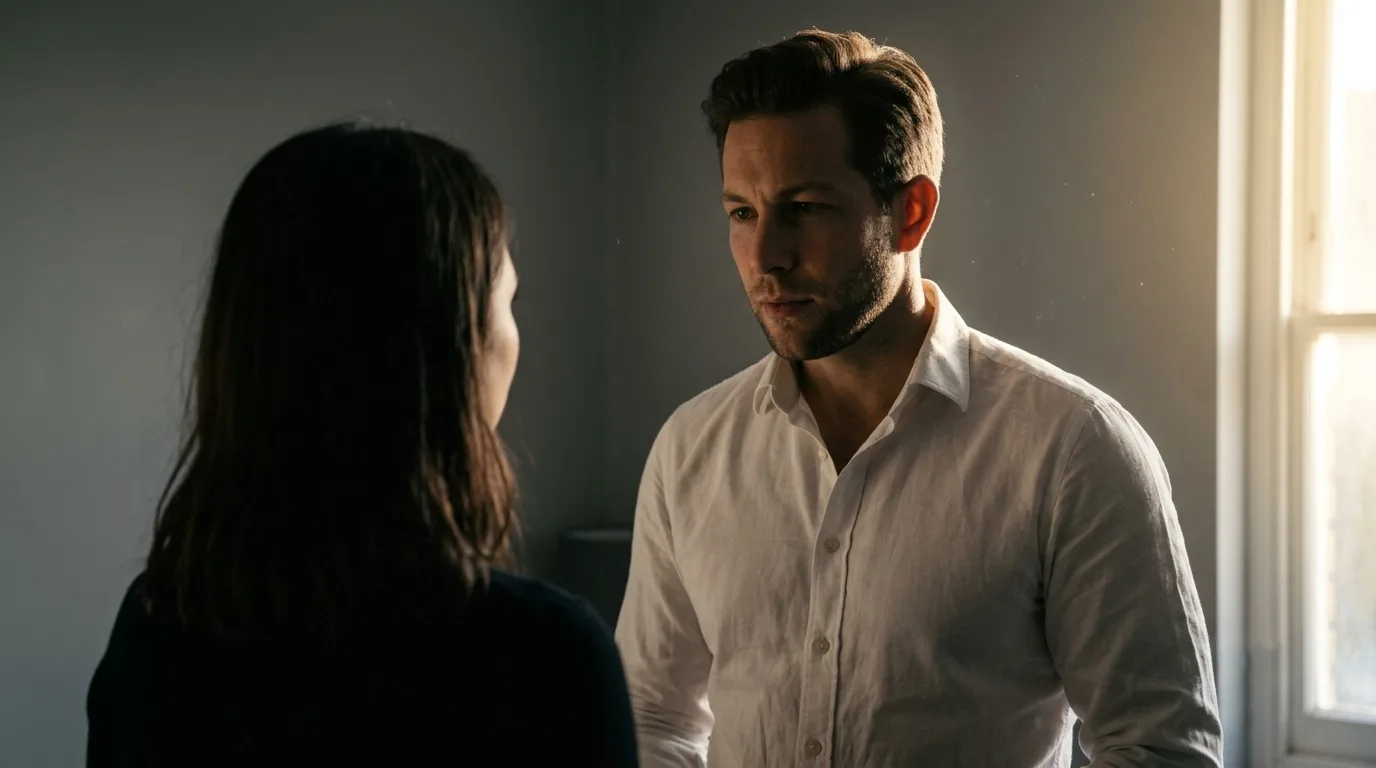
The Power of a Genuine Apology
Discover the transformative power of a timely apology and how it can change your life and strengthen your relationships.
My friend, I'm going to ask you a straightforward question: do you know how to apologize?
I'm not asking if you can say the word "sorry." I'm asking if you know how to apologize in a truly meaningful way. Do you know how to make a woman feel heard, respected, and healed when you've hurt her?
Most men don't know. They think that apologizing is a sign of weakness. They think it diminishes their masculinity. They think it's like admitting defeat.
And so, they don't apologize. Or worse, they apologize mechanically, superficially, and meaninglessly. They say "sorry" but don't really mean it. They say "I'm sorry" but don't actually change. And they wonder why she's still angry, still hurt, and still unable to trust them.
But here's the harsh truth: an insincere apology is worse than no apology at all. It doesn't lessen the pain. It adds to the frustration. It shows that you don't really understand what you've done, and you don't truly care about her feelings.
Part 1: Why Are Men Afraid to Apologize? 🤔
Before you can learn how to apologize properly, you need to understand why you're afraid to do it.
1. It Makes You Feel Weak
You've been taught that strong men don't apologize. You've been taught that men are right, and if you're wrong, you shouldn't admit it. You've been taught that apologizing is a sign of weakness.
But that's not true. In fact, apologizing requires strength. It requires the courage to admit that you were wrong. It requires the humility to put someone else's hurt above your own ego. It requires the maturity to take responsibility for your actions.
2. You're Afraid of Rejection
You're afraid that if you apologize, she won't accept your apology. You're afraid that it won't be good enough. You're afraid that it will make things worse.
But staying silent is worse. Silence when you've done wrong is a form of rejection. It says: "I don't care enough about your feelings to acknowledge what I've done."
3. You Don't Know How
You've never been taught how to apologize. You might have seen your parents argue and never apologize. You might have seen other men avoid responsibility. You don't have a role model to follow.
Many men don't know how to apologize because they've never seen a real man apologize. They've only seen superficial apologies or shameful silence.
Real-life example:
You did something that hurt her. You might have said something insensitive, or you didn't do something she expected. You might not have listened when she needed you, or you might have reacted impatiently.
You know you were wrong. But instead of apologizing, you justify yourself. You say, "You're overreacting." Or, "I didn't mean that." Or, "I was just trying to..." You're trying to protect yourself, but you're hurting her more.
Today I realized that I'm afraid to apologize. I'm afraid it will make me look weak. But I think not apologizing is worse.
Part 2: The Difference Between "I'm Sorry" and "I Was Wrong" ⚖️
There is a big difference between a superficial apology and a genuine apology.
What Is "I'm Sorry"?
"I'm sorry" is often an automatic response. You say it when you're caught, or when you want to end an argument. It often comes with something like: "I'm sorry, but..."
"I'm sorry" is often about you. You want to escape the discomfort of being wrong. You want to end the argument. You want her to stop being angry.
What Is "I Was Wrong"?
"I was wrong" is an admission. It is an acknowledgment that you did something wrong, with no conditions, no justifications, no "but."
"I was wrong" is about her. You're saying: "I hurt you. I realize that. And I want to make it right."
The difference between 'I'm sorry' and 'I was wrong' is the difference between trying to get out of trouble and genuinely acknowledging your mistake. One is about you. One is about her.
Real-life example:
You promised to do something, but you didn't. She's disappointed and angry.
Superficial apology: "I'm sorry, but I was busy."
Genuine acknowledgment: "I was wrong. I promised and I didn't do it. That was terrible. I'll do anything to make it right."
I realize that I was wrong. No conditions. No justifications. I hurt you and I'm sorry for that.
Part 3: 5 Steps to Apologize Correctly 📑
There is a way to apologize properly. And it's not difficult, but it requires sincerity and humility.
1. Specifically Admit What You Did Wrong
Don't be vague. Don't say "I'm sorry for everything." Be specific. Say exactly what you did wrong.
For example: "I'm sorry for saying that to you. It was hurtful and it was wrong."
2. Acknowledge the Impact of Your Actions
Don't just say what you did. Say how it affected her.
For example: "I realize that when I said that, you felt hurt and disrespected. That was unfair to you."
3. Take Full Responsibility
Don't blame. Don't justify. Don't say "I'm sorry, but..." Take full responsibility for your actions.
For example: "I was wrong. There is no excuse for what I did. I take responsibility."
4. Offer to Make Amends
Say what you will do to make it right. Don't just say you will change. Say exactly what you will do.
For example: "I won't do that again. If I find myself starting to do it, I'll stop and think. And if I do it again, I want you to tell me."
5. Ask for Forgiveness (But Don't Demand It)
Ask for forgiveness, but don't demand it. Don't say "Do you forgive me?" as if it's a yes or no question. Say "I hope you can forgive me."
For example: "I hope you can forgive me. I know it might take time, and I'll wait."
A proper apology is not a magic spell. It is an acknowledgment, an admission, and a commitment. It is an act of humility and love.
- Specifically admit: Say exactly what you did wrong.
- Acknowledge the impact: Say how it affected her.
- Take responsibility: Don't blame. Don't justify.
- Offer to make amends: Say what you will do to make it right.
- Ask for forgiveness: But don't demand it.
Part 4: Mistakes When Apologizing ❌
There are wrong ways to apologize. And they can make things worse.
1. Apologizing with Conditions
"I'm sorry, but I..."
This is not an apology. This is a justification. You are trying to protect yourself. And that doesn't help.
2. Apologizing and Blaming
"I'm sorry if you feel hurt."
This is not an apology. This is a way to blame her for feeling hurt. You're saying: "I don't think I did anything wrong, but I'm sorry you reacted that way."
3. Apologizing and Exaggerating
"I'm sorry. I'm the worst person in the world."
This is over the top. It makes your apology seem insincere. It also makes you the center of attention, instead of her.
4. Apologizing and Not Changing
If you apologize and then do the same thing again, your apology becomes meaningless. Actions speak louder than words.
5. Apologizing and Not Giving Her Space
After you apologize, give her space. Don't ask her to respond immediately. Don't ask her to forgive you right away. Give her time to process.
An insincere apology is worse than no apology. It shows that you don't really care, and you're just trying to end the conversation.
Real-life example:
You said something that hurt her. You say: "I'm sorry, but I didn't mean it." This is a conditional apology. You're saying: "I'm sorry, but I don't think I did anything wrong."
This will not make her feel better. It will make her feel unheard. She will feel that you don't really understand what you did.
I'm sorry. No 'buts'. No justifications. I was wrong and I realize that.
Part 5: When to Apologize and When Not To ❓
It's not always necessary to apologize. There are times when you should apologize, and there are times when you shouldn't.
When to Apologize:
- When you have done something wrong.
- When you have hurt her, whether you meant to or not.
- When you made a promise and didn't keep it.
- When you said something insensitive.
- When you didn't listen to her.
When Not to Apologize:
- When you are not actually at fault.
- When you are apologizing just to end an argument.
- When you have no intention of changing.
- When you are apologizing for her feelings, not for your actions.
Apologizing when you're not at fault is a form of self-deprecation. It doesn't help your relationship. It only makes you feel worse.
Part 6: The Power of Timely Apologies 💪
When you apologize properly, it can change everything. It can mend relationships. It can restore trust. It can deepen love.
1. It Shows You Care
When you apologize, you're telling her that she matters to you. You're saying that her feelings are important to you. You're saying that you don't want to hurt her.
2. It Shows You Are Mature
When you apologize, you're saying that you can take responsibility for your actions. You're saying that you don't need to be right. You're saying that you can learn from your mistakes.
3. It Opens the Door to Forgiveness
When you apologize, you're opening a door to forgiveness. You can't guarantee that she will forgive you. But you can create a space for forgiveness.
A proper apology doesn't guarantee that you will be forgiven. But it opens a door that no apology can open.
Real-life example:
You did something that hurt her. You apologize sincerely. You acknowledge what you did. You take responsibility. You offer to make amends. And you give her space.
She may not forgive you immediately. But she will notice the difference. She will see that you are trying. And that may soften her heart.
I know that I hurt you. I'm sorry for that. I want to make it right, if you'll give me the chance.
Part 7: Sample Messages for Proper Apologies ✉️
Here are some sample messages for apologizing properly:
I'm sorry for saying that to you. It was hurtful and it was wrong. I won't do it again.
I'm sorry. I realize that when I did that, you felt disrespected. That was unfair to you.
I was wrong. I won't let that happen again. If you see me starting to do that, I want you to tell me.
I'm sorry. I hope you can forgive me. I know it might take time.
Conclusion: Learn How to Apologize Properly 📚
My friend, apologizing is not a sign of weakness. It is a sign of strength. It shows that you are strong enough to acknowledge your mistakes. It shows that you are mature enough to take responsibility for your actions. And it shows that you care enough to make amends for what you've done.
Learn how to apologize properly. Don't just say "sorry." Say "I was wrong." And say it with sincerity and humility.
It's one of the most powerful things you can do for your relationships.
Are you ready to learn how to apologize properly?
Try Cupid Mate now to learn more and improve your relationships!
Not sure which line fits your situation?
Upload your chat or paste the message — Cupid Mate gives you 3 replies in 5 seconds.
Add a few details about her — the AI matches your real vibe instead of writing generic lines. Optional.
You can skip this — the last message is answered by default.
What you want to say (optional)
Jot down your idea — the AI keeps that direction and rewrites it better and more naturally.
Paste it exactly as it is: shorthand, typos, slang — the AI decodes it for you, no glossary needed.
CupidTeam level
Adults only. No level ever describes bodies or acts explicitly, and none applies pressure.
Reply length (leave empty = AI decides)
Comments
Sign in to join the conversation 💌
A Gmail or iCloud address is enough — Cupid will remember you next time.
Sign in to commentLoading comments…
Related articles

Arguing over text: 4 steps to cool down and an apology that isn't empty
Arguing over text often escalates due to the lack of voice and body language. This guide offers 4 specific steps to cool down the conversation, along with how to apologize sincerel

When She Asks You to Buy Things: Smart Ways to Respond
When your girlfriend asks you to buy things, how should you respond? Learn the difference between spoiling her and being used, plus smart replies to keep the love and your self-res

She Just Broke Up: How to Start a Conversation Without Becoming Her Life Raft
Just because she broke up doesn't mean you have a shot. If you start the conversation the wrong way, you're just a temporary life raft for her to cling to when she's drowning. Here